
Analysis
18 de abril de 2024 · Rafa Abando Markaida
At Enforced we are aware of the impact industry has on the environment. That is why, in the context of World Climate Change Day, we want to share our commitment to sustainability and resource efficiency.
Traditionally, the equipment used to generate heat and cold in facilities were chillers and boilers . Chillers, as you might imagine, cool water 😉, and boilers heat it. This results in a less efficient process, in which the energy produced cannot be reused. Many companies still use this type of system today, which, in the short and long term, can be a poor decision — first due to its energy inefficiency, and second due to the unnecessary cost on the energy bill.
However, at Enforced we have implemented a multi-purpose system for energy reuse for years. Thanks to this system, we can reuse the heat generated during condensation, and in turn, the cold generated during evaporation.
The multi-purpose system works with a refrigeration cycle that lets you make use of the heat generated during the condensation stage while also using the cold generated during the evaporation stage, increasing the efficiency of the system. It is an HVAC solution that can provide heating and cooling simultaneously. This system uses waste heat to heat other areas or to feed hot-water hydraulic circuits, where other systems would waste this resource. This is achieved through heat exchangers between the refrigerant and water within the refrigeration cycle, enabling more efficient energy management.
Energy efficiency: By making use of the waste heat within the refrigeration cycle, we achieve a more efficient system overall, since we use a higher percentage of the energy consumed in the cycle.
Cost reduction: By using the heat generated in the condenser — which in other systems is released into the environment — we manage to reduce facility costs by avoiding the need to heat water separately.
Positive environmental impact: Being a more efficient system, we avoid the use of other energy sources compared with conventional systems, which emit carbon outside the facility.

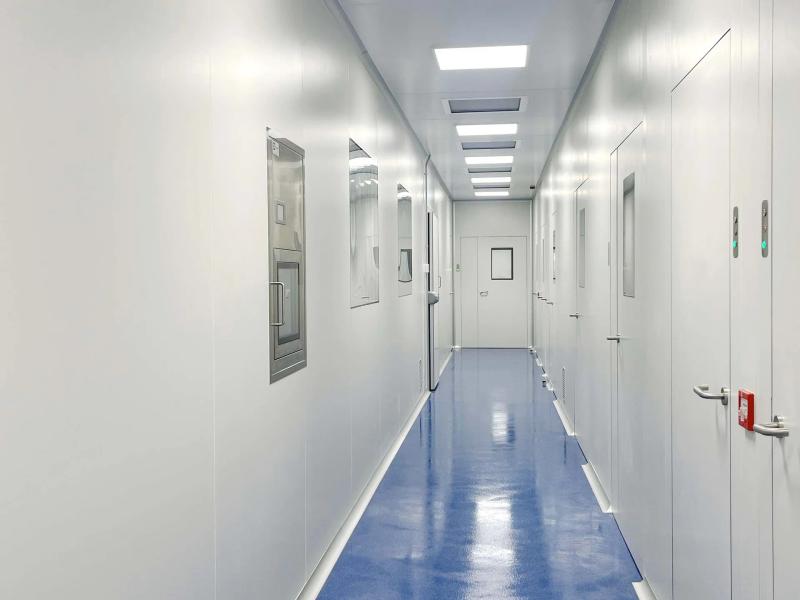
Cleanrooms, beyond regulating the amount of particles that can be present in a space, require strict control of temperature and humidity to maintain the integrity of processes and products. Multi-purpose systems are ideal for these conditions, as they provide precise regulation of the indoor climate while making use of condensation heat to increase efficiency.
In conclusion, the adoption of multi-purpose systems for reusing heat in HVAC in other areas of the plant illustrates how technology and innovation work together to create cleaner, more efficient and more sustainable working environments. Furthermore, the growing interest of investors and government support for companies' efficiency and environmental footprint becomes an additional advantage for them.
At Enforced Group, we are convinced that the fight against climate change is everyone's commitment.
Do you need help optimising your facility's energy use?

Knowledge Hub